What's
the difference between a Hot Tub and a Spa?
The
term "Hot Tub" originally referred to the
wooden, barrel-shaped tubs, which became popular in the
late 1960s. Early hot tubs were fairly simple devices,
which basically held hot water and had enough room for one
or two bathers at a time. When the industry began building
tubs of molded fiberglass or with thermoplastic shells,
they were given the tag "spa" to differentiate
them from their wooden cousins.
The
wooden hot tub has evolved over time to include such
amenities as seating, jets, filters, and most of the
features associated with a spa. In fact, the phrase
"hot tubbing" can be taken to mean soaking in
either type of vessel.
Back
to Menu
What
are my choices in selecting a hot tub or spa?
Decide
if you want a take-anywhere type lightweight
portable spa, or a
full-size spa for the family. Full-size spas are by far the most
popular today due to the wide selection, ease of
installation and low maintenance.
Spas
may also be built into the ground, but in-ground spas
usually are lacking in features. In areas of the country
where freezing is not a factor, these installations are
not uncommon.
The
portable spa, which most often consists of a shell with a
wooden skirt, usually sits atop a deck or on a concrete
slab. These units have the advantage of built-in pumps and
electrical systems, so set-up is a snap.
Back
to Menu
How
do I find a quality brand of spa?
Take
the time to look at various brands. Ask about warranties.
Quality products will carry ironclad warranties against
defects that will cover the shell, motors and control
units. Reputable manufacturers will will not be shy about
disclosing specifications. Check for either the ETL or UL
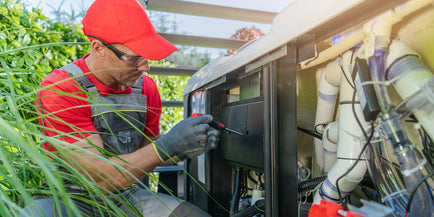
rating. "Look under the hood." We cannot
stress this enough. If the workmanship inside the access
door of the spa looks shoddy, this tells you a lot about
what you cannot see. In these time of rising energy
costs, insist on a spa cabinet that is full-foamed, and
has other energy saving features. Make sure the spa
has 2x4 framing, not 2x2.
Back
to Menu
Should
I install my hot tub spa inside or outside?
Each
location has its pros and cons. Outside installations may
compromise some of your privacy, but you can add screens,
shrubbery, or fencing to minimize peering eyes. The
outside weather can be a deterring factor, although many
people absolutely love the experience of lounging in
bubbling hot water while a light rain or snowflakes are
falling! It can be exhilarating. Awnings can be built to
shelter the effects of weather. It should be noted for
those of you who have not experienced it, hot water raises
your body's core temperature, so you will normally not
feel cold even when exiting a hot tub outdoors in the dead
of winter.
Inside
installations will add humidity to the air in your home.
It is imperative that proper ventilation be maintained to
control this moisture and to prevent mildew and other
damage. If you decide on an inside installation, be sure
to take into account the draining and filling of the unit.
There are two other important questions: will it fit
through your doorway, and is your flooring strength
adequate? Keep in mind that a typical 3-person spa weighs
about 2500 pounds filled with water. On the plus side, you
will have privacy and convenience. Your unit and cover
will also be fully protected from the weather.
Back
to Menu
Do
I have to install plumbing for my portable spa?
No.
Above-ground portable spas are normally filled with a
garden hose. Hard plumbing is optional, but very rarely
used since it is unnecessary.
Back
to Menu
Which
are better, gas or electric heaters?
Each
type of heating system has its advantages. If you buy a
portable spa, you probably will not have a choice, since
the self-contained units almost always come with
electrical heating units. Some spa owners have modified
portable spas with auxiliary external gas heaters. These
installations are unusual, but allow for very rapid
heating of the spa water. In-ground and custom
installations often utilize gas heaters. An advantage of
gas besides rapid heating, is the lower cost of day-to-day
operation since gas generally costs less than electricity
to use.
Back
to Menu
How do you hookup the wiring for 220/240
volts?
See our spa wiring video for
complete information.
Back
to Menu
Should
I use a 110-volt or 220-volt electric heater?
We
recommend using the 220v option whenever practical,
especially on full-sized spas. A 220v system offers the
advantage of faster heating which reduces your
"tubbing down-time" factor. There is also more
amperage available to operate multiple motors, jets,
lights, etc. A properly hard-wired 220v system has no
cords to trip over or become unplugged. Contrary to
popular misconception, there is no significant cost
difference in heating with 110v system versus a 220v
system. For a truly "portable" installation,
110v is generally more practical. Consult a qualified
electrician for your wiring needs.
Back
to Menu
Is
it expensive to operate a hot tub spa?
It
doesn't have to be. A primary cost is heating the water. A
modern, well-insulated unit with a quality insulated cover
will cost, on average, only about a dollar a day, even in
cold climates. The other major cost is water chemistry and
maintenance supplies. You can cut these costs by 30-50% on
average, just by shopping at The Spa Depot for your
supplies!
Back
to Menu
What
is meant by the spa pump's horsepower (HP) rating?
Spa
manufacturers use two different ratings for their pumps:
"Continuous Operating HP" and "Brake
HP". Continuous Operating is the amount of HP the
motor is capable of producing while the spa is in
operation. This is the meaningful rating. Brake HP is the
momentary HP the motor produces at startup, before
dropping to Continuous HP. Brake HP is marketing hype.
Back
to Menu
What's
the story on ozonators?
Ozonators are electric-powered devices for helping to sanitize
spa water by introducing a form of oxygen called ozone into the
water. When they first arrived on the spa scene, many people
thought they were a panacea for water disinfecting. Although this
has proven to be an overstatement, ozonators do have their place,
and will help reduce chemical amounts needed. Since ozone has no
residual sanitizing ability, it only works while the spa is in
operation. In order for the ozone to do its job, the spa should be
run 6 or more hours per day. Ozonators must be used in conjunction
with another sanitizer such as bromine or chlorine as well as a
shock treatment. See our Ozonator
Installation Guide.
Back
to Menu
Can
I save money by using an ozonator?
Yes,
the use of an ozonator will cut down the amount of
conventional sanitizer needed. The reduction will vary
from 25% to 35%, depending on spa usage and amount of run
time. These devices use electricity to run, but the amount
is really quite minimal.
Back
to Menu
Is
there an easier way to remove my spa cover?
Use of
a cover removal device will allow one person to remove the
spa cover with ease, and without back strain. These
devices come in a variety of models, from simple slides to
more elaborate units, which allow for easy lifting and
out-of-the-way storage of your spa cover. Today's cover
lifts are lightweight and durable, usually made from
aircraft grade aluminum with stainless fasteners. They are
easy to install as well, usually requiring little more
than a screwdriver to set-up.
Back
to Menu
What should I look for in a spa cover?
Start
with the core. Polystyrene foam, tapered from 4" to
2" to allow for shedding of surface water, is a good
choice. Don't settle for an R-value of less than 12. R-14
is even better. Since foam cores absorb water, select a
cover with a core that is heat-sealed in heavy plastic
sheeting. Marine-grade vinyl with mildew and UV inhibitors
is a must. Quality covers will also have two other
features: a double reinforced folding center hinge, and
steel reinforcement inside. Make sure the cover has
adequate locking fasteners, and a zipper for the cover.
Avoid cheap covers. They won't last long, and will end up
costing you more in the long run both in higher energy
usage and in replacement costs. Cover
Replacement Guide
Back
to Menu
What are the power requirements for the new lightweight "take anywhere" portable spas?
These spas a designed to plug right in to a standard
wall outlet. In outdoor locations, your electrical code
may require a GFCI protected circuit. Check
with your local Building Department.
Back
to Menu
Can an external gas heater be added to my existing spa and what are the benefits?
In many cases the answer is yes. You will have to
splice some intake and return plumbing from your spa to
the external heater. Heater installation must be done in
accordance to local building code requirements with regard
to plumbing, gas lines, electrical connections (if
needed), distance from spa, venting, heat sinks, etc. But
setup is usually not terribly difficult. Instructions are
supplied with the heating units, which are available in
either natural gas or propane models. The benefits include
reduced heating costs, which will help pay for the heater
over time, and much quicker heating time.
Back
to Menu
I'm ordering a new spa cover. Is there a benefit in upgrading to a 2-lb. Foam core?
In many cases, yes. If your spa is exposed to snowfall,
then the 2-lb. upgrade is a very good idea. It will
provide extra stiffness, which will help prevent sagging
(and the resultant heat-loss) caused by the weight of the
snow. In all climates, the upgrade will give you increased
R-value. The upgrade is inexpensive, and will return its
cost in energy savings.
Back
to Menu
What can I do to protect my spa cover from seasonal high winds?
Although high-quality safety covers come with 4 tie down straps
and locking hardware, that alone may not always be enough to stand
up to high winds. Thousands of spa covers are lost to storms each
year. Fortunately Hurricane
Straps are now available which offer an
added level of protection for these conditions. Fully
adjustable for spas up to 8 ft. wide, these heavy-duty overall
locking straps offer an extra degree of security.
Back
to Menu
Why are your spa covers custom made rather than shipped from an inventory?
There are literally tens of thousands of spa shapes,
sizes and brands, both old and new, and many color
choices. Rather than pull a cover from an inventory of approximate
fits, our covers are hand-made, one at a time, for
outstanding quality and a fit that is just right, per your
specifications and color choice. It takes a little more
time to make covers this way, but our customers tell us it's
more than worth it.
Back
to Menu
|