As all hot water devotees know, one of life's
finest pleasures is lounging in a bubbling spa. Worries &
cares seem to melt away, and we emerge truly revitalized. With a regard for basic safety, and a dose of
common sense, hot tubbing can be a very healthy and rewarding
experience. Below are some helpful safety tips and information.
Maintain Sanitizer & Water Balance
Do not enter a hot tub unless you know that
the sanitizer
level is adequate to keep the water healthy and free of harmful
microorganisms. Maintaining the Total Alkalinity (TA) and
pH for proper water balance, and regular shocking of the water will make your
sanitizer much more effective in controlling bacteria.
Use the appropriate
test
strips to monitor TA and pH, as well as the sanitizer level.
A new
bacteria
test is also now available.
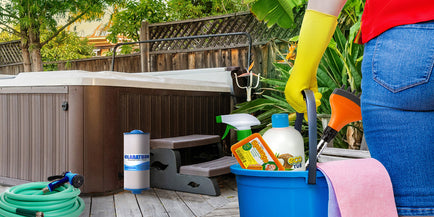
Chemicals & Spa Supplies
Chemicals, additives and cleaning compounds are
best kept in a cool, dry, and well ventilated location, away from
direct sunlight and out of the reach of children. Read and follow all
directions on chemical labels.
As a rule, spa chemicals should not be mixed
together prior to addition to the water. Dissolve dry chemicals one at
a time in a plastic bucket of clean water, then pour into the hot tub.
This will also prevent damage to the acrylic shell (or PVC liner) from
direct contact of un-dissolved granules.
Alcohol and Drugs
Hot water
amplifies the effects of alcohol and certain drugs, and the
result can be dangerous. Consult your doctor regarding
the use of prescription drugs. Many
people prefer the enjoyment of a chilled soft drink,
juice or mineral water while relaxing in their spas.
Soaking for too long in elevated water
temperatures can raise body heat to hazardous levels. The National
Spa and Pool Institute considers 104° F to be the maximum safe
water temperature for adults, and modern spas are normally set at
the factory not to exceed that limit.
A safe soaking time should not exceed 15
minutes. Some medical authorities have recommended a lower maximum
temperature of 100° to 102° F. They advise that since infants and
children are more sensitive to heat, they should be exposed to water
of not more than 95° F, for no more than 10 minutes. Consult with your
family doctor.
Persons with heart
disease, diabetes, high or low blood pressure, or
any other serious illness should not enter a spa or
hot tub without first consulting with, and obtaining
the advice of a physician.
Keeping a
floating
thermometer in the water is a good idea, especially if your spa
does not have a digital temperature readout indicator.
Children and Infants
Children should be introduced into the hot tub or spa slowly to give them time to adjust to the change in temperature and to alleviate fear or discomfort. Infants should not enter a hot tub without doctor's approval.
NEVER, UNDER ANY CIRCUMSTANCES leave children
unattended in hot tubs, spas or pools. Even shallow ones pose a drowning
hazard, and even a few moments alone is too long. Better safe than
sorry is a good rule to tub by!
Pregnancy
Pregnant women should
not enter a hot tub or spa without first consulting
with their physician and following the doctor's
advice.
Hair Entanglement
Drain Suction
A drowning risk can occur when a bather's
hair becomes entangled in a drain cover, as the water and hair are
drawn through the drain. Never allow children (or anyone) to
play with heads underwater in a spa.
The
U.S. Consumer Product Safety Commission
helped develop a standard requiring dome-shaped drain outlets and two
outlets for each pump. This reduces the powerful suction if one drain
is blocked. Consumers with older spas should have new drain covers
installed and may want to consider getting a spa with two drains to
help prevent entrapment. If you have a swimming pool, have it
checked as well.
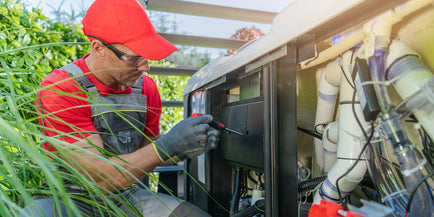
Regularly have a professional check your spa or
hot tub and make sure it is in good, safe working condition, and that
drain covers are in place and not cracked or missing. Check the drain
covers yourself throughout the year. Make sure you have a
GFCI-protected power disconnect device installed, and know where and
how to use it in an emergency.
Power Cutoff Switch
The National Electrical Code requires the installation of an
approved
manual
disconnect device for your hot tub be located at least 5 ft.
away, and within line of sight of the spa for safety. Make sure
that your hot tub's electrical system is properly wired, grounded, and
protected by a GFCI.
NEVER handle a
corded phone, radio, TV, hair dryer or any other
electrical device while you are around spas or
pools, in contact with
water, when hands or feet are wet, or when barefoot.
Locate all electrical outlets a safe distance
away from your spa or hot tub, as specified in local building codes.
Keep electrical devices away from the water, and never place them on
the spa edge. If an electrical appliance should fall into the water,
or be touched by a bather, electrocution could result.
Spa Cover
Always use a locked safety cover when the
spa is not in use. Keep young children away from spas unless there is constant adult supervision.
Small children are curious,
and unsupervised hot tubs can be an attraction to them. Make
sure that the spa cover straps are tight enough to prevent a child
from slipping under. Make sure your
spa
cover is in sound condition. Replace if necessary.
As an added precaution,
consider installing a pair of extra
tie-down
straps for more security.
Safety Rails & Steps
Getting in and out of hot tubs with wet,
slippery feet can pose a hazard. Consider the addition of sturdy
spa
steps and a
handrail.
Keep dry towels handy for feet and hands by
installing a
towel
bar. Non-skid surfaces around the parameter of the spa are a good
idea. Serve snacks and drinks in plastic containers to avoid the
possibility of broken glass. Make sure that adequate lighting is
provided at ground level, especially if used at nighttime.
Tub Together
It is always wiser
(and a lot more fun, we might add!) for adults to soak
together. With two or more persons bathing, someone will be there to help if the co-tubber
has a problem. Always accompany children.