|
All spas and hot tubs have
one thing in common-- they heat water. The objective
is to conserve as much of this heat as possible. Here's how:
Start With Your Spa Cover
Heat rises-- that's why we insulate the attics in
our homes. In fact, although walls are also insulated, up
to 85% of heat loss is through the roof. The same principle
applies to your spa. Many modern spas have well-insulated
shells. This helps a lot, but much heat loss will still be
through the "roof" ...your
spa cover!
If your cover is in good condition, make sure the tie
straps are snug and latched when the spa is not in
use. This will reduce heat leakage.
 |
If your cover has
deteriorated, heat leaks will occur at the
hinge-fold and also on the spa shell rim due to improper
seating of the cover edges. More importantly, if your old cover has become very heavy, this
indicates water-logging of the foam-core insulation. |
A waterlogged cover will have almost no R-value,
wasting your heating dollars. A high quality
replacement
spa cover will not only save energy, it will also last longer, be
more resistant to water absorption, and improve the beauty of your
spa.
Creating Windbreaks
 |
Creating a windbreak around your spa is not
just an attractive privacy solution. Cutting wind exposure
can also significantly reduce heat loss. Shrubs, privacy
panels, or fencing, as well as
spa
enclosures can all be effective windbreaks. Another
solution is the use of a
coverall. |
Thermostat Settings
 |
Modern spas come from the
factory with a high temperature limit set at 104º F. By
setting your temperature at 102ºF (or even a bit lower) you can
reduce overall energy consumption significantly since it takes
disproportionately more energy to heat each additional degree. |
Vacation Mode
Turn down the thermostat when you are on vacation.
If you will be gone for a week or more during warmer months, you can
set it at its lowest level or turn off the heater. In freezing
weather, some heating must be maintained to prevent freeze damage to
the pipes and plumbing, unless the spa is
winterized and water
removed from the plumbing system.
Off-Peak Heating
 |
Many power utilities offer reduced rates
during off-peak hours, when demand is lowest. Check with
your power company for hours and details. |
If your hot tub has a timer circuit, and
off-peak heating is an option, consider programming the thermostat to
heat during these times. If you have a well-insulated spa with a
good cover, it will maintain its heat for several hours after the
heater is turned off. Air Jets, Lights
and Blowers
 |
Air induction jets
are wonderful features which provide soothing
massage to the home spa experience. But as they induce air into the spa water,
they also lower the water temperature. This heat will have to
be replaced by the spa heater. |
The
energy impact will be minimal during bathing sessions,
but remember to shut-off air and water
lights when the spa is not in use.
Powered air blowers used to be popular, but have fallen
into disfavor. If you are buying an new spa, we highly
recommend not buying one with an air blower motor.
Not only are they loud (sounding like a vacuum cleaner!) air
blowers consume a lot of energy, and will actually lower the
water temperature rapidly, wasting even more.
Better spas, such as our
Belize
brand, have adjustable hydro jets which
induce warmed air (heat-recovery) from the equipment cabinet
into the water. This is a much
better system than having a motor-driven blower.
Monitoring Energy Consumption for Savings
Everybody wants to save money on their home electricity bills, but it's hard to tell how much energy we are using at any given time. Which appliances, lights, fixtures, or habits are making the electricity bill rise? How much is the spa using? By the time we get the utility bill at the end of the month, it is too late to tell where power was wasted or how it could have been saved. But not anymore!
The Power Cost Monitor provides clear, accurate, real-time electrical consumption information. This helps you make simple changes to your energy usage patterns that can save serious money by identifying waste, or shifting use to off-peak rates. |
 |
Hot tub owners report that they have saved enough wasted energy in other areas of their homes to pay for much, if not most of the cost of spa operation, just by installing and using the Blueline PowerCost Monitor!
Now its easy for all spa owners to monitor hot tub energy usage: how much power your spa draws when heating, high or low speed, when in standby mode, etc. This allows you to program your spa controls for off-peak heating and maximum energy efficiency, while maintaining adequate filtration cycle time. The whole faimily will enjoy watching the monitor (imagine kids, eager to turn off unneeded lights!) The Blue Line Power Cost Monitor is a great little investment that can pay for itself in no time.
Filter Cartridges and Plumbing System
 |
Clogged or worn-out
spa filters will reduce
the circulation of your spa water. This causes pump
motor strain, and your heater element to perform less efficiently. Clean your filters with every water change, every
3 to 4 months with non-foaming
filter cleaning
compound. Replace annually to maintain your
spa's peak performance. The result is both energy
savings and cleaner water. |
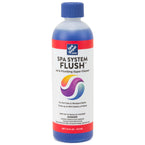
When changing your spa's water, its also a
good idea to flush the plumbing system and heater element with
Spa
System Flush. This will help maintain unimpeded water flow and
help keep your heater element working efficiently. |
 |
Floating Thermal Blanket
|
|
A floating
thermal blanket
is a small investment with a high return. Reduces heat loss by
insulating and reducing evaporation. |
 |
This in turn helps keep
moisture buildup on the inside of your cover to a
minimum, increasing spa cover life. |
Conserve Water
 |
Avoid wasting water, which would have to be
replaced and reheated. Repair any
leaks
and adjust jets so that you're not sending streams of hot water on
to your deck. |
If Shopping for a New Spa
Sometimes the best approach is
to replace an obsolete, energy wasting spa with a new
one which can save 50% or more in heating costs, if you shop
wisely. There are several things to look for in a
new spa with regard to efficiency. Don't overbuy
horsepower. Some manufacturers are playing the jet and
horsepower numbers game. They offer more and more jets,
which require higher and higher horsepower to feed the jets.
The design and engineering of a spa is much more important
than the number of jets. A well engineered spa does not need
a huge number of jets to provide soothing and vigorous hydro-massage.
Remember, very large pump motors consume large amounts of
power to run, and can result in huge power bills.
Read more about
Belize
hot tubs-- designed for maximum energy savings. |
 |
|