|
Spa leaks.
Components
associated:
- Pump Seal
- Heater Manifold
- Valves
- Plumbing
- Jets
- Spa Shell
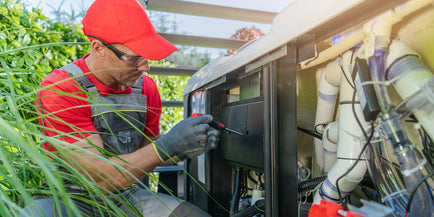
A) Disconnect power to spa. Inspect the equipment area. If leak is under the pump, this indicates a possible pump seal failure. Replace seal if leak is indicated.
B) Check
union fittings at spa pump and heater. These can even
vibrate loose on a brand new spa during shipment, and should be
hand tightened if necessary. If hand tightening is
difficult, loosen pump mounting bolts, move components into
alignment, then tighten unions and retighten pump mounting
bolts.
C) Inspect heater, pressure
switch and surrounding components. Replace any defective parts as indicated by
leak(s).
D) Inspect valves. Repair or replace if leak is indicated. Knife style valves are bolted together and contain a gasket between the halves which can fail, particularly upon freezing or with prolonged poor water quality conditions.
E) Inspect all pipes, jets and connections for leakage. Repair or replace if indicated.
Note: One method for locating leaks is to use dye (dark food color) in the water. This method works best if the leak is substantial. Observe location of dye leakage, using flashlight if needed, and proceed with repair. Another method is to is to let the water drop (with spa not running) and then observe the water level of the spa when the level ceases to drop. If the water stops dropping at a jet for example, that jet is the likely leak source.
For faster leaks it may help to determine the type of leak: vessel leak (spa shell), suction-side leak (before pump) or pressure leak (after pump). Fill spa and mark the water level with grease pen or crayon, and allow the spa to run for 24 hours. Now mark the new water level to determine how much the water level has dropped. Refill to original mark, and keep system off for 24 hours. Again, note how far the water dropped. If the water dropped the same amount on both tests, this usually indicates a vessel leak (blisters and most surface cracks are usually only cosmetic, and not normally a cause for leaks). If the water dropped more with system running, this
indicates a pressure leak. If the water dropped less with system running, this indicates a likely suction leak.
Minor leaks can
often be stopped with Seal-a-Leak Spa Leak Sealer (MT1018). For a long
term repair, it is better to find the defective component.
Acrylic spa surfaces and PVC pipes can now be mended with Plast-Aid (MT1044). This product is particularly useful for
difficult to remove components with minor cracks.
Back
to Troubleshooting Guide
Illustrated
Glossary
|